When you’re assembling a gift basket, the goal is to delight the recipient. But what happens when that delight could turn into a disaster because of hidden allergens or unwanted ingredients? Knowing how to ensure gift baskets meet dietary restrictions is more than a courtesy—it’s a necessity. In this guide, we’ll walk through the steps that transform a generic hamper into a thoughtful, safe, and delicious gift. By the end, you’ll feel confident that every item inside is a welcome addition, not a potential hazard.
Understanding Dietary Restrictions
Before you even think about the layout of the basket, you must understand the terrain. Dietary restrictions come in many flavors—some are simple, others complex. Knowing the difference is like knowing the difference between a gentle breeze and a hurricane; it changes how you prepare.
Common Types of Restrictions
- Allergies – peanuts, tree nuts, dairy, shellfish, eggs, soy, wheat, and fish. Intolerances – lactose intolerance, gluten sensitivity, fructose intolerance. Medical Conditions – diabetes, hypertension, kidney disease. Ethical or Religious – vegetarian, vegan, halal, kosher, pescatarian. Lifestyle Choices – low-carb, paleo, keto, intermittent fasting.
When you’re not sure where a person falls on this spectrum, a quick, polite conversation can save you from a costly misstep. Think of it as a “food passport” that helps you navigate safely.
Planning the Basket: The Blueprint
Once you’ve mapped the restrictions, you can start building a basket that feels both personal and compliant. Treat this phase like drafting a blueprint for a house—every detail matters.
Researching the Recipient
Ask questions that elicit useful information without prying. For example:
- “Do you have any food allergies?” “Are there ingredients you avoid for health reasons?” “Is there a particular diet you follow?”
If you’re dealing with a corporate client, check their company’s catering policies. A quick email or a friendly phone call can clarify the most critical restrictions.
Choosing a Theme That Works
A theme gives the basket cohesion. Pick one that naturally aligns with dietary considerations. For instance, a “Gourmet Snack” theme might include artisanal crackers, nuts, and dried fruit—ideal for someone who loves plant-based treats. Or a “Relaxation” theme could feature herbal teas and sugar-free chocolates, perfect for a diabetic friend.
Remember: the theme is the canvas; the ingredients are the paint. The right palette ensures the final picture is both beautiful and safe.
Selecting Ingredients: The Right Ingredients
The heart of any gift basket is its contents. Choosing ingredients that respect dietary restrictions is like assembling a puzzle—you need each piece to fit perfectly.
Labeling and Transparency
Every item should carry a clear label indicating:
- Allergen-free status (e.g., “Nut-Free”) Dietary certifications (e.g., “Vegan Certified,” “Gluten-Free”) Expiration dates
When in doubt, opt for products with detailed ingredient lists. A quick scan of the label can reveal hidden culprits—think of it as reading the fine print before signing a contract.
Cross‑Contamination Risks
Even a single allergen can cause a severe reaction. Here are ways to mitigate the risk:
- Use separate utensils for handling each item. Store ingredients in sealed, clearly labeled containers. If you’re purchasing from a bulk supplier, ask whether they have separate storage areas for allergen-free products.
Picture a tightrope walk: one misstep and the entire balance tips. That’s why cross‑contamination prevention is non-negotiable.

Packaging and Presentation
A well‑packed basket feels more personal, but presentation shouldn’t compromise safety. Balance aesthetics with practicality.
Visual Appeal vs Safety
- Wrap each item individually—use parchment paper or clear cellophane to prevent dust and contamination. Place heavier items at the bottom to avoid crushing lighter, fragile treats. Add a small “Allergen Notice” card next to the basket, stating that all items have been checked for common allergens.
A little humor can lighten the mood: “We’ve checked this basket for allergens—yes, even the jokes are allergy-friendly!” It’s a small touch that shows care without being overbearing.
Final Checks and Communication
Before sending the basket, run Wine baskets a final audit. Think of it as a pre-flight checklist for a safe journey.
Confirmation Call
A brief call or message to the recipient can confirm that the basket meets their needs. Ask:
- “Did everything look good?” “Is there anything you’d like to add or remove?”
This step shows attentiveness and allows for last‑minute adjustments.
Documentation
Keep a record of:
- All ingredient lists and certifications. Any communication with the recipient about restrictions. The source of each item (vendor details).
Having documentation ready can be invaluable if questions arise later—think of it as insurance for your gift.
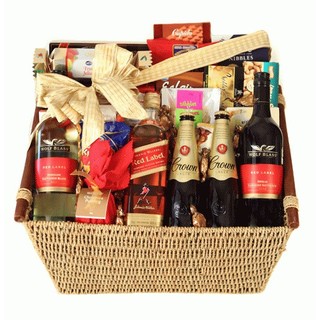
The Perfect Gift Awaits
You’ve mapped the restrictions, chosen the theme, sourced the ingredients, and double‑checked every detail. The basket is ready to travel to its destination, safe, thoughtful, and ready to impress.
Remember the words of renowned chef and nutritionist Dr. Linda Smith: “Food is the most powerful medicine we have.” By ensuring your gift basket respects dietary restrictions, you’re not just giving a present—you’re offering a gesture of care that can have a real, positive impact on someone’s health and happiness.
Now, it’s time to assemble that basket. Pick up the items, wrap them with care, and let the recipient know that you’ve taken the time to consider their needs. After all, a well‑thought‑out gift is the best kind of present—one that says, “I Trending gift care, and I’ve put in the effort.”
When you send out your basket, include a small note: “Enjoy these treats, carefully chosen with your dietary needs in mind.” It’s a simple touch that reinforces your commitment to their well‑being.
Your gift basket will not only look beautiful but will also stand as a testament to your attention to detail and empathy. And that, dear reader, is the ultimate gift.