Chocolate hampers are the universal language of appreciation, but when you start dealing with dietary restrictions, the conversation can turn as tangled as a chocolate ribbon. Whether you’re a boutique chocolatier, a corporate gifting specialist, or a thoughtful friend curating a gift basket, learning how to handle special dietary requests for chocolate hampers ensures that every recipient can indulge without hesitation. This guide walks you through the practical steps, the subtle art of communication, and a sprinkle of humor to keep the process as smooth as a melt‑in‑your‑mouth truffle.
Understanding the Landscape of Dietary Preferences
Common Restrictions and Why They Matter
When customers reach out with dietary concerns, they’re not just asking for a different product; they’re seeking reassurance that the gift will be safe and enjoyable. Here are the most frequent requests:
- Gluten‑free – often due to celiac disease or gluten sensitivity. Nut‑free – a common allergy that can trigger severe reactions. Dairy‑free – for lactose intolerance or vegan preferences. Sugar‑free or low‑sugar – for diabetic or calorie‑conscious consumers. Halal or Kosher – religious dietary laws.
Each restriction carries its own set of regulations and safety protocols. Ignoring them can damage your reputation faster than a chocolate bar melts in a hot cup of tea.
The Gift of Transparency
“Transparency is the best policy,” says culinary legend Chef José Andrés. In the context of chocolate hampers, this means being upfront about ingredients, sourcing, and packaging. A quick FAQ on your website, clear labeling on every product, and a simple “Ask us about allergies” prompt can turn a potential complaint into a compliment.
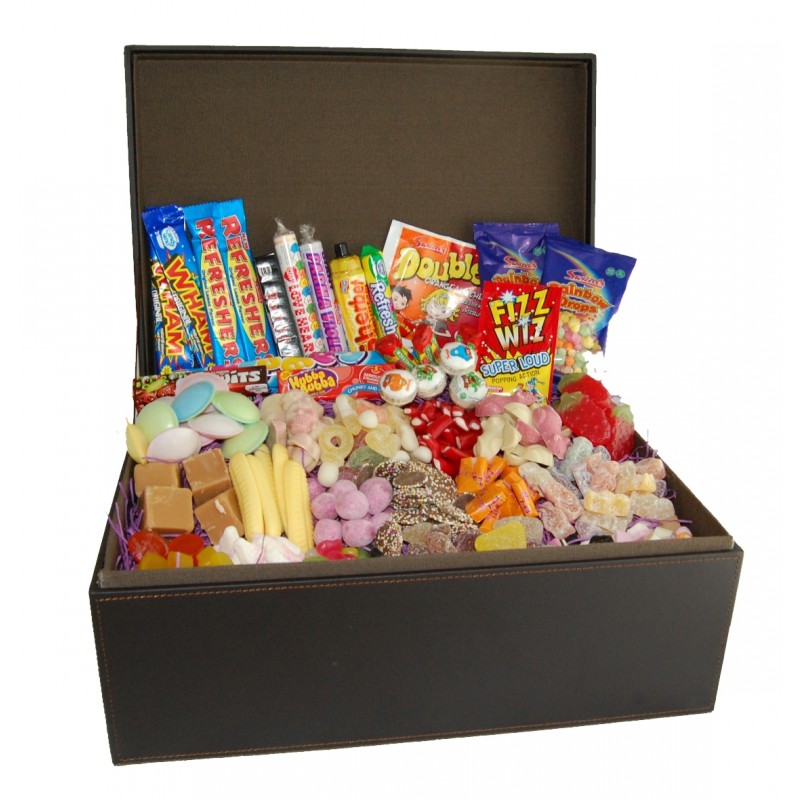
Building a Flexible Chocolate Hamper Menu
Core Chocolate Selections
Start with a solid base of chocolates that can be adapted:
- Dark chocolate (70% cacao or higher) – naturally gluten‑free and often nut‑free. Milk chocolate – requires careful sourcing to ensure dairy compliance. White chocolate – typically dairy‑based but can be made vegan with coconut or oat milk. Chocolate‑filled truffles – check fillings for nuts or dairy.
By selecting ingredients that are inherently versatile, you reduce the risk of cross‑contamination.
Add‑On Options for Everyone
Offer a menu of add‑ons that cater to specific needs:
- Nut‑free – almonds replaced with sunflower seeds or dried fruit. Dairy‑free – use dark chocolate or vegan chocolate. Sugar‑free – sweeten with stevia or monk fruit. Halal/Kosher – confirm certifications from reliable bodies.
Bullet‑point lists help customers quickly see their options:
- Nut‑free: sunflower seeds, pumpkin seeds, dried apricots Dairy‑free: dark chocolate, coconut‑milk truffles Sugar‑free: stevia‑sweetened ganache Halal/Kosher: certified chocolate bars, compliant fillings
Practical Steps to Manage Requests
Effective Communication with Customers
The first line of defense against mishaps is clear dialogue. When a customer places an order, ask these questions:
- “Do you have any allergies or dietary restrictions we should be aware of?” “Would you like a fully gluten‑free or nut‑free hamper?” “Are you looking for a vegan or sugar‑free option?”
Use a friendly tone: “We’re happy to customize your hamper so it’s as delightful as a chocolate‑filled dream.” This approach turns a routine transaction into a collaborative experience.
Inventory Management and Stock Rotation
Keep separate bins for allergen‑free and regular products. Label them clearly—think of it as a “chocolate version of a pantry with a no‑nuts policy.” Rotate stock so that older items are used first, ensuring freshness and reducing the risk of contamination from expired ingredients.
Packaging and Labeling Best Practices
- Allergen tags – a small sticker that lists potential allergens. Ingredient lists – printed on the inside of the wrapper or on a separate card. Batch numbers – helpful if you need to recall a specific item.
A well‑labeled hamper feels like a safety net for the recipient, allowing them to enjoy the gift without second‑guessing.
Ensuring Quality and Safety
Allergen Control Procedures
Implement a strict “no‑cross‑contact” policy in your kitchen. Use dedicated utensils for allergen‑free chocolates, and ensure that surfaces are thoroughly cleaned between batches. Train staff on the importance of these protocols—after all, a single accidental cross‑contact can lead to a costly recall.
Temperature and Storage Guidelines
Chocolate is notoriously fickle. Keep your hampers in a cool, dry place—ideally between 15–18 °C (59–64 °F). If you’re shipping internationally, consider insulated packaging with ice packs to maintain the temperature during transit. A good rule of thumb: “If you can’t keep it cool, it’s probably not worth the chocolate.”
Adding a Personal Touch Without Compromising Constraints
Custom Messages and Packaging
A handwritten note can transform a hamper from a generic gift into a heartfelt gesture. Use eco‑friendly paper and a pen that won’t bleed into the chocolate wrapper. If the recipient has dietary restrictions, include a brief reminder of the customizations you’ve made.
Creative Presentation Ideas
Think of your hamper as a mini‑festival of flavors. Arrange chocolates in a way that visually separates allergen‑free items from regular ones. Use color‑coded ribbons or small tags to guide the eye. A simple, elegant layout can make the hamper feel like a curated gallery—no need for a fancy cake stand.
The Perfect Gift Awaits
By mastering how to handle special dietary Chocolate-covered nuts requests for chocolate hampers, you turn potential pitfalls into opportunities for delight. Remember, every carefully labeled truffle, every allergen‑free bar, and every personalized note speaks volumes about your attention to detail. Your customers will appreciate the thoughtfulness, and you’ll enjoy the peace of mind that comes from knowing every bite is safe and satisfying.
So, the next time someone asks, “Can you customize this hamper for someone with a nut allergy?” smile and say, “Absolutely—let’s make it a chocolate experience Housewarming gifts that’s as safe as it is delicious.” After all, the best gifts are the ones that taste good and feel good to give.
